When scientists create a vaccine, they need to consider who will receive the vaccine, and how the immune system responds to a particular type of germ. Another factor to consider is the technologies they use to develop that vaccine. Here are four types of vaccines and the specific way each works.
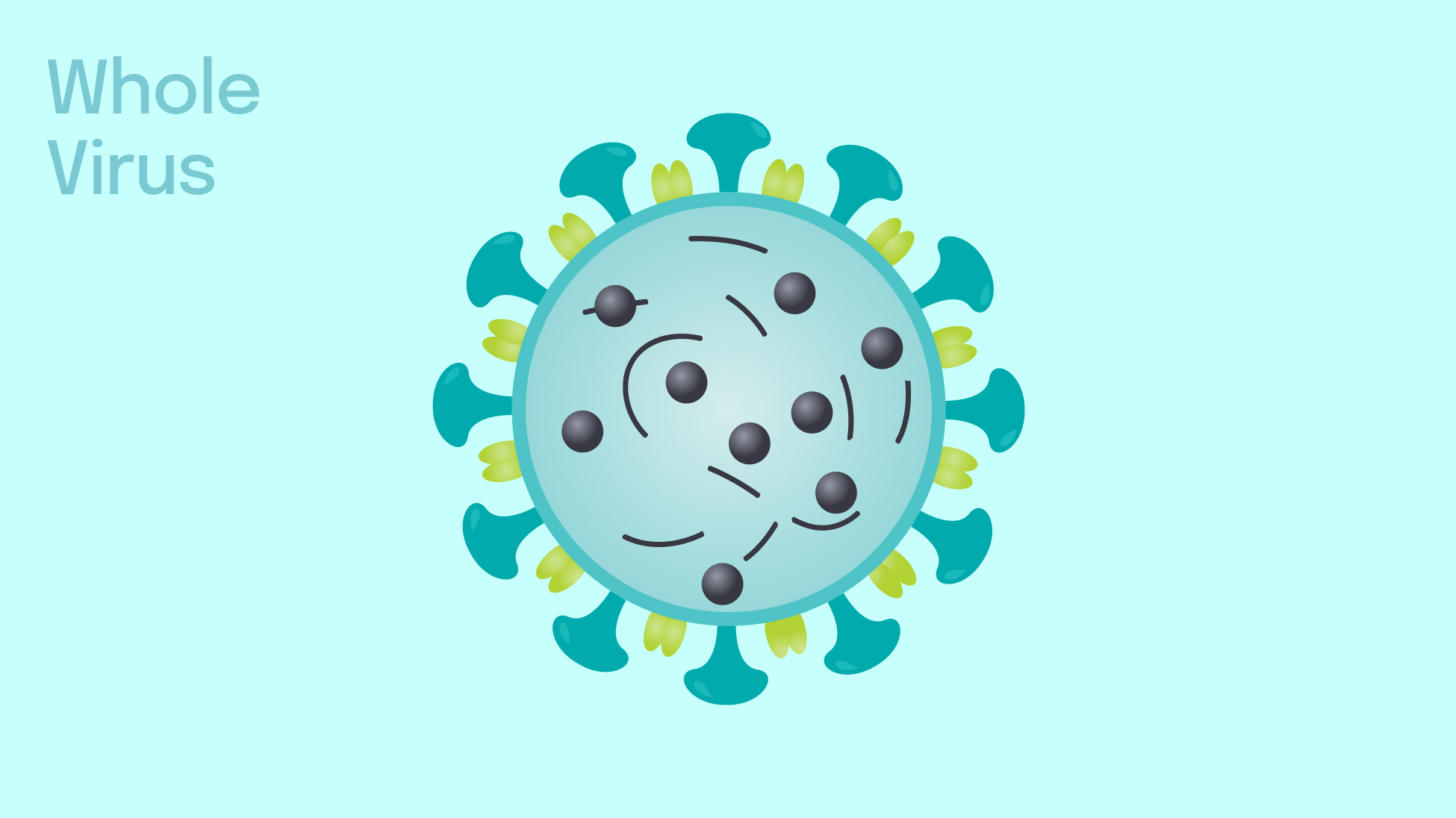
Whole virus vaccines are made with a weakened or inactivated versions of the whole virus, which triggers an immune response in your body. Live-attenuated vaccines are one type of whole virus vaccines, using a weakened form of the virus to help your immune system learn to fight the virus effectively. Live-attenuated vaccines may cause mild infection. Meanwhile, inactivated vaccines won't cause infection, but these vaccines may not provide as much protection as live-attenuated vaccines.
The measles, mumps, and rubella (MMR) vaccine is an example of a live-attenuated whole virus vaccine. Examples of inactivated vaccines include those for rabies and polio.
Protein subunit vaccines contain just a part of the virus or bacteria, such as a specific protein. Protein subunit vaccines were first created decades ago to help prevent hepatitis B, and the technology has since been used for many other vaccines.
Viral vector vaccines use a modified, harmless virus known as a “vector” to deliver protection. This vector carries instructions to the body’s cells on how to fight against the targeted virus. Several types of virus have been used as vectors, including the adenovirus, which causes the common cold. This type of vaccine technology has been studied for decades. It cannot cause infection with the virus being targeted or the virus used as the vaccine vector.
Viral vector technology has been used in vaccines that fight Ebola and COVID-19.
mRNA vaccines are a type of vaccine that rely on messenger ribonucleic acid (mRNA). Unlike some other types of vaccines, mRNA vaccines do not contain any part of the virus that causes the disease. Instead, they introduce a “messenger” that helps trigger an immune response and teach your body how to recognize and destroy the virus.
One benefit of mRNA vaccines is that they have shorter manufacturing times compared with other vaccines. Currently, some COVID-19 vaccines use this type of technology.
 Learn more at wedovaccines.com












 Twitter
 Facebook
 Pinterest