Dr. Gregory Glenn People
How has vaccine technology changed in recent decades? Where are we today?
Perhaps the biggest change is the shift to recombinant vaccines. In the 1980s, Hepatitis B vaccines were the first recombinant vaccines. That means scientists took the Hepatitis B surface protein as a gene, put it in yeast, and the yeast made that protein. With that type of vaccine, there's no virus and no infection. Scientists learned that the immune system is programmed to react strongly to particles that look like viruses and bacteria. So, people who received the vaccine had this strong immune response to the recombinant protein.
Today there are recombinant flu vaccines, and they are engineered to be much more precise. So now we live in this era where really anything new is being made by recombinant techniques, and that includes mRNA.
Dr. Gregory Glenn People
What do you see as the future of vaccine research?
There have been advances in tools for making a vaccine, but there are still a lot of areas where questions remain. For example, we don’t fully understand how someone’s genetic background and immunization interact. I can tell you that older people have a lower immune response than younger people, but we still don’t know why someone with a high immune response gets a disease while someone with a low immune response doesn’t.
I think our ability to explore the genetic side of things will help us better understand why some people don't respond as well to a vaccine as other people do. There are going to be some breakthroughs there that I think will be essential to moving vaccine innovation forward.
Dr. Gregory Glenn People
What is Novavax’s approach to vaccine development?
We have a combination of experienced people who have been around a long time, like me, and extremely smart, youthful talent. This is a very complex industry. I’ve got people working for me that have been part of taking a wild idea talked about on a whiteboard to an available product. Navigating that process complex: Experience is extremely important, but you can't have inflexible, experienced people. They need to be able to incorporate new innovation. At Novavax, we have an insatiable appetite for looking at new tools and new ideas.
Dr. Gregory Glenn People
How can the general public create healthier communities?
It’s important to promote information-driven decisions. Members of the public should try to find a place where the information they are getting about vaccines is as factual as possible so they can make good decisions about their bodies.
When I was a pediatrician, I oversaw the vaccine clinic. I explained to young parents why I should stick a needle in the arm of their two-month-old and make them cry. But when I had conversations with them about the value of having a vaccine against these diseases, they just pulled up their baby’s arms and said go for it. Knowledge really helps people feel more comfortable. And they trusted me—they trusted the source. It’s important to have voices that people can trust.
 Learn more at wedovaccines.com






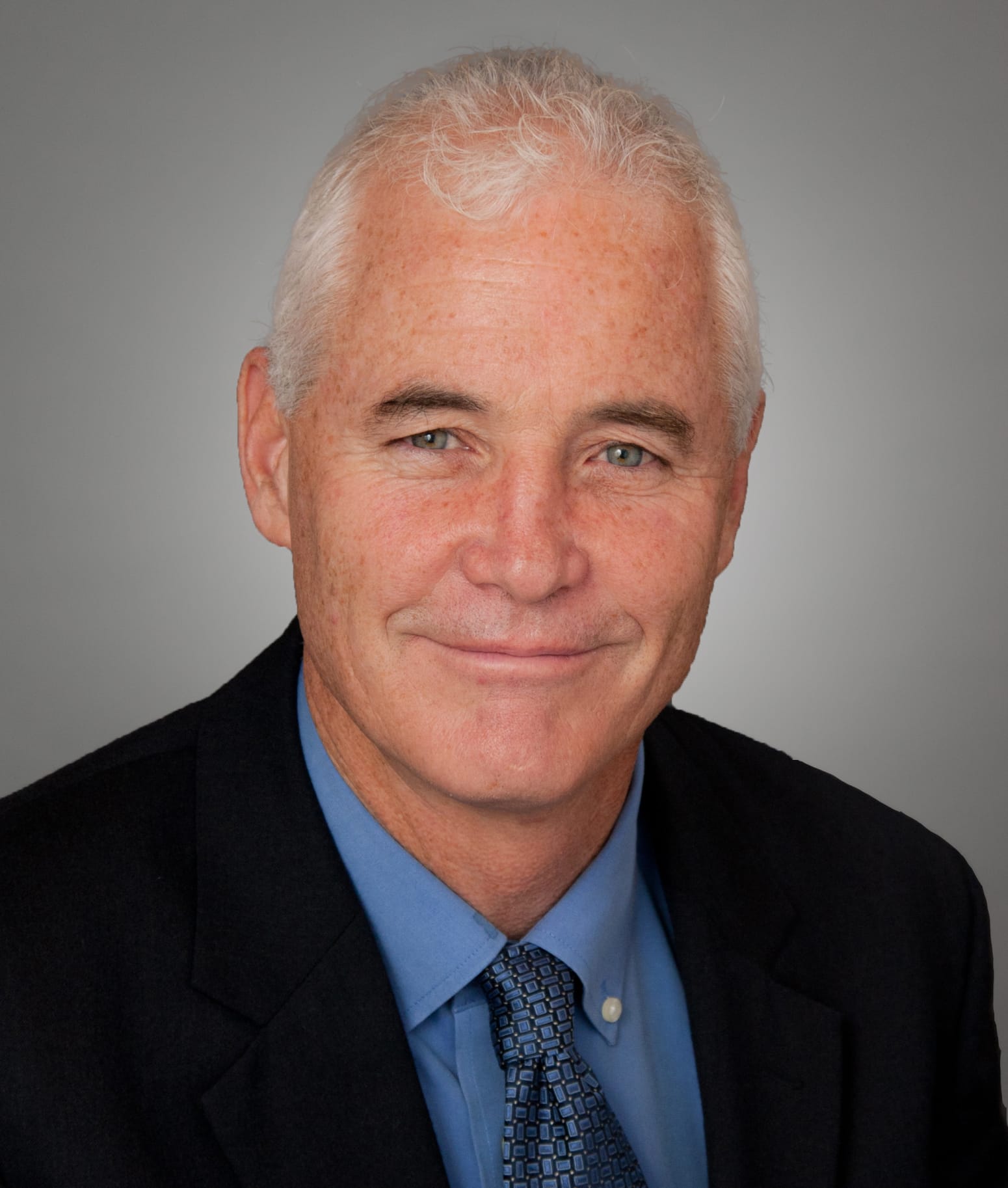 Dr. Gregory Glenn, Novavax.


 Twitter
 Facebook
 Pinterest